An empty table on a Friday night isn’t just lost revenue. The reservation was confirmed, the staff was scheduled, the ingredients were prepped, then the guest didn’t show. No call, no cancellation, no warning.
According to OpenTable, a significant portion of restaurant no-shows happen not because guests intend to skip, but because they simply forgot about their reservation. The fix isn’t a stricter cancellation policy. In 2026, where consumer expectations around instant digital communication have fundamentally shifted, the fix is a smarter communication channel.
Restaurant text messaging solves this and does considerably more. From filling tables during slow hours to building the kind of guest loyalty that drives repeat visits, it’s the highest-engagement channel available to restaurants today.
Why Email and Phone Calls Are Losing the Restaurant Battle
Phone calls during service are a distraction neither staff nor guests need. Emails get buried in inboxes already crowded with promotional noise. The result is a communication gap that costs restaurants revenue every single week.
According to CTIA, SMS carries a 98% open rate, and most messages are read within 3 minutes of delivery. Understanding why SMS outperforms email for business communication makes it clear why restaurants are making the switch:
- 98% open rate compared to roughly 20% for email
- Read within 3 minutes faster than any other digital channel
- No app required guests receive messages on the phone already in their pocket
- Two-way by default guests can confirm, cancel, or ask questions instantly
- Near-universal reach according to Pew Research Center, nearly all US adults own a mobile phone
Restaurant SMS Marketing Use Cases That Drive Real Revenue
SMS marketing works for restaurants across every stage of the customer relationship, from the first reservation to the tenth return visit. The use cases below are not theoretical. They are the specific scenarios where restaurant operators are using text messaging right now to fill more covers, reduce empty tables, and turn first-time diners into regulars.
Reservation Reminders That Actually Get Read
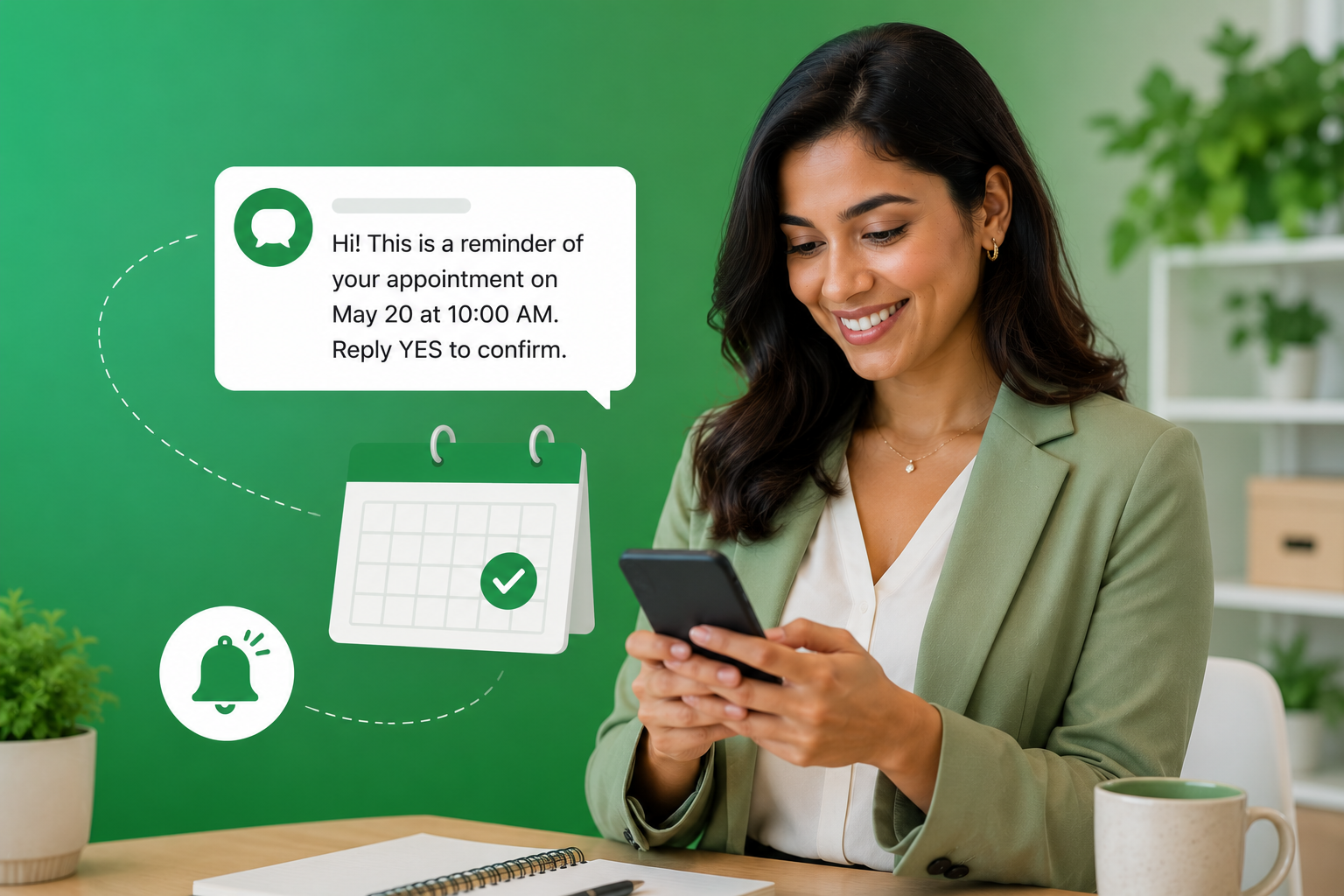
A reminder sent 24 hours before and again two hours before service gives guests a clear, low-friction way to confirm or cancel. Reviewing appointment confirmation text best practices before building your reminder workflow ensures messages are timed and structured for the highest response rates. That confirmation window is what separates a manageable cancellation from an empty table with no time to fill it.
Waitlist Management in Real Time
When a table opens up earlier than expected, a text reaches the next guest within seconds. Two-way SMS lets guests confirm their availability instantly, so your team can seat the table and move on without picking up the phone or scrambling at the host stand.
Promotions, Specials, and MMS Campaigns
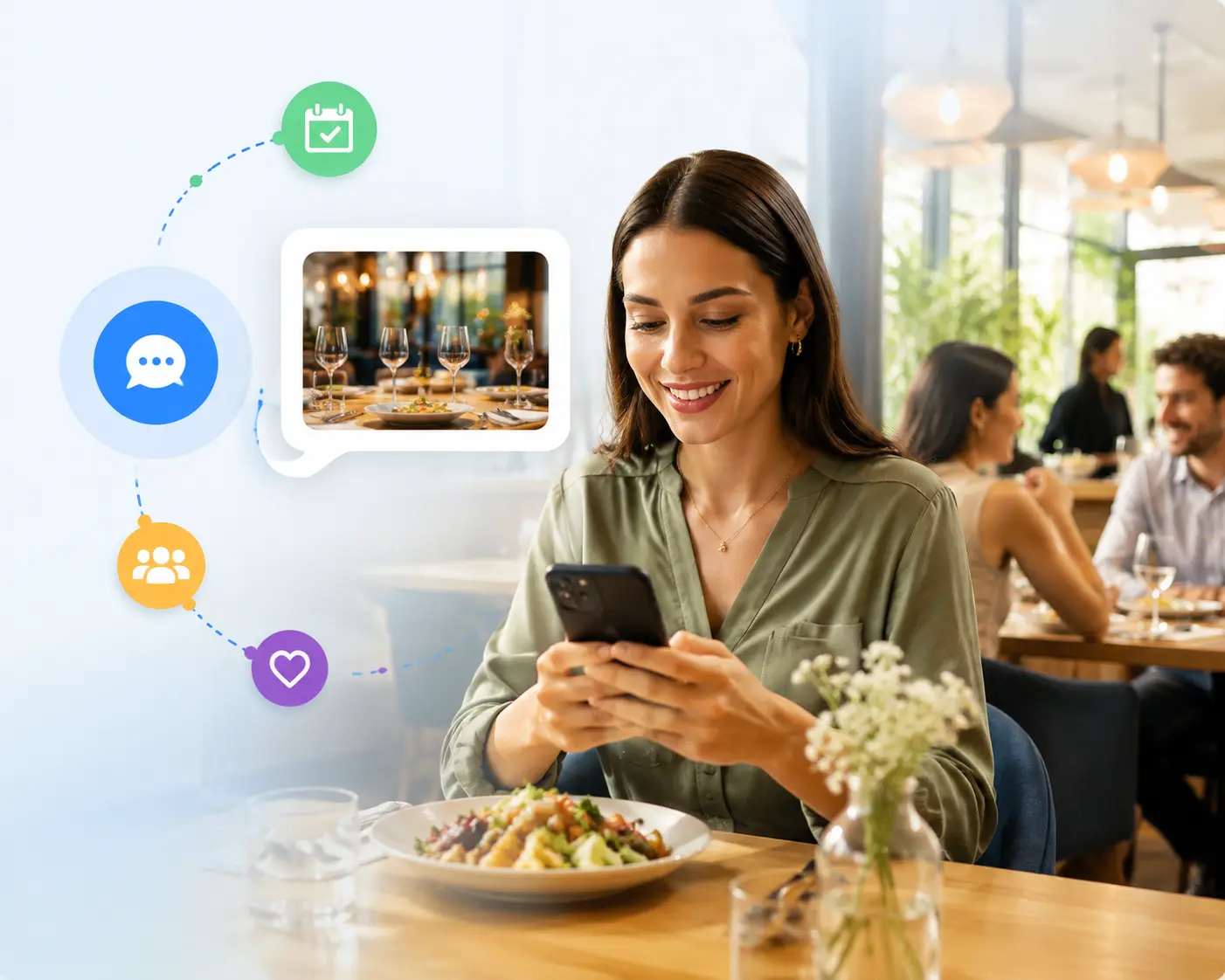
Tuesday evenings don’t fill themselves. Bulk SMS lets restaurants send targeted promotions to their entire guest list or specific segments like VIP diners or regulars who haven’t visited recently. For visual promotions, MMS takes it further, allowing restaurants to send images of seasonal dishes, new menus, or event flyers alongside the message text. Research shows MMS generates up to 3x higher response rates than SMS alone, making it a powerful tool for time-sensitive offers. Learning how to send bulk SMS effectively is the difference between a campaign that fills seats and one that gets ignored.
Event Invitations and Exclusive Offers
Wine tastings, chef’s table evenings, seasonal menu launches these events live and die by how well they’re promoted to the right audience. A text to your most loyal guests, sent at the right time with a clear call to action, consistently outperforms email invitations for RSVPs and bookings.
Building Guest Loyalty Through SMS
Guest loyalty isn’t built in a single visit. It’s built through consistent, personal communication that makes guests feel valued between visits. A follow-up text the day after a visit, a birthday offer sent on the right day, early access to a new menu for repeat diners, or an exclusive weekend offer for guests who haven’t visited in 60 days these touchpoints are what convert one-time diners into regulars. Restaurants running structured loyalty campaigns via SMS report significantly higher repeat visit rates than those relying on email alone. For a deeper look at how campaigns like these perform, reviewing top SMS marketing statistics puts the engagement numbers in full context.
Ready-to-Use Restaurant SMS Templates
- Reservation reminder (24 hours): “Hi [First Name], your reservation at [Restaurant] is tomorrow at [Time] for [Party Size]. Reply C to confirm or R to reschedule.”
- Same-day reminder: “See you tonight, [First Name]! Your table at [Restaurant] is reserved for [Time]. We look forward to seeing you.”
- Waitlist notification: “Good news, [First Name], a table has opened up at [Restaurant]. Can you make it for [Time]? Reply YES to confirm.”
- Weeknight promotion: “[Restaurant] special: 20% off your bill this Tuesday and Wednesday. Show this text to redeem. Valid [Date]. Book now: [Link]”
- Loyalty offer: “Hi [First Name], it’s been a while! Come back this week and enjoy a complimentary dessert on us. Book your table: [Link]”
- Post-visit follow-up: “Thanks for dining with us, [First Name]! We’d love your feedback: [Link]. Hope to see you again soon.”
Staying TCPA-Compliant with Restaurant SMS Marketing
Before sending your first promotional text, compliance is essential. Under the Telephone Consumer Protection Act (TCPA), restaurants must obtain explicit written consent from guests before sending marketing messages. Violations can result in penalties of up to $1,500 per message, making compliance non-negotiable for bulk campaigns.
Understanding what opt-in means in text messaging is the foundation of a legally sound restaurant SMS strategy. Key requirements include:
- Explicit opt-in consent collected via a website sign-up form, a keyword text campaign, a physical sign-up card at the table, or a checkbox during online reservation
- Clear sender identification every message must state who it is from
- Easy opt-out guests who reply STOP must be removed immediately and automatically
- Stored consent records documentation of when and how each guest opted in, retained for compliance purposes
SendHub’s built-in opt-in and consent tracking system manages this automatically, so your team can focus on filling tables rather than managing compliance paperwork.
How SendHub Powers Restaurant SMS Marketing
SendHub is built for restaurants that need to communicate quickly, personally, and at scale without the technical complexity:
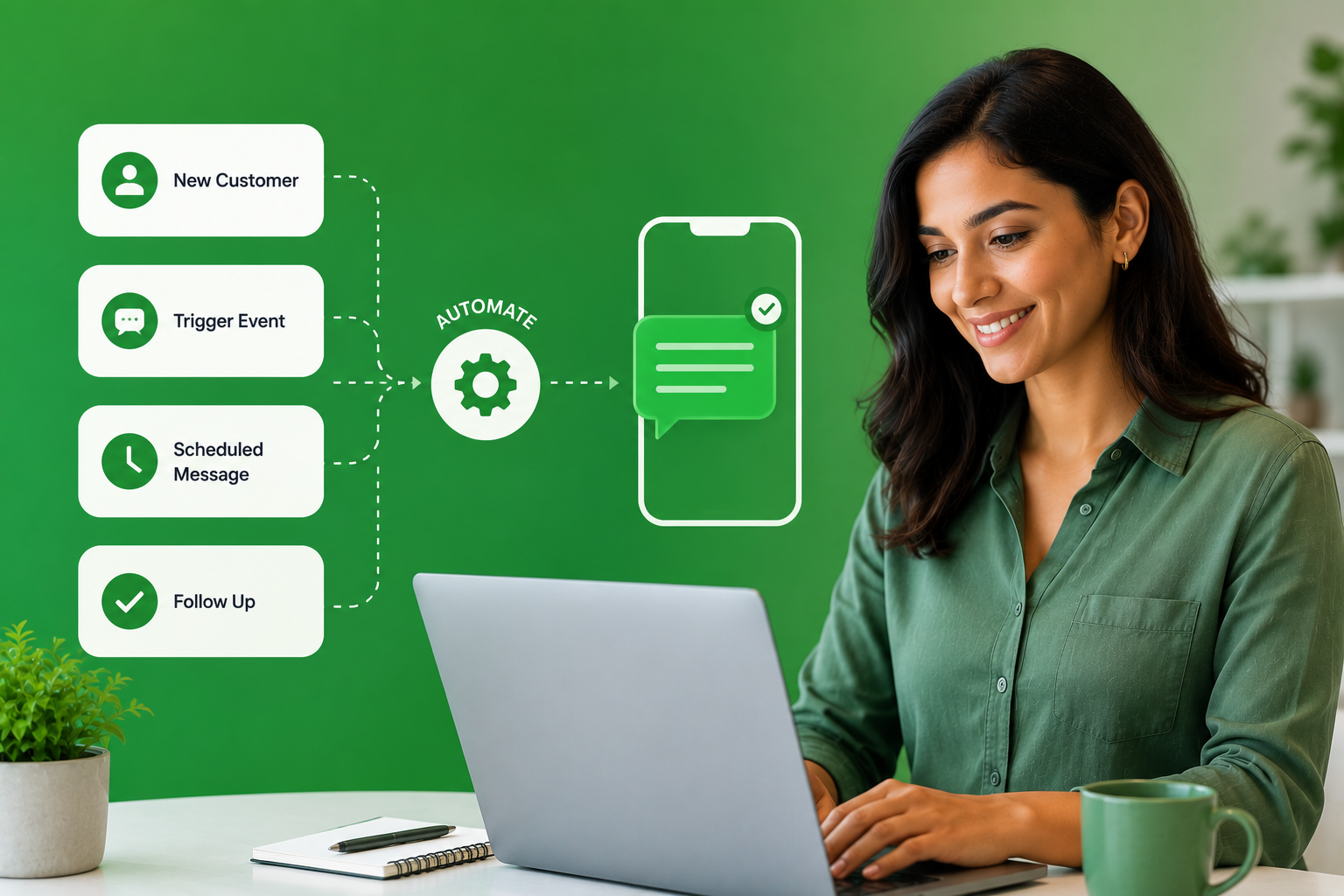
- Automated reservation reminders set to go out at defined intervals before each booking, with confirmations returning to the shared inbox automatically
- Two-way SMS from a shared inbox letting front-of-house staff manage guest conversations, waitlist confirmations, and enquiries from one centralized dashboard during service
- Bulk SMS and MMS for promotions and events reaching your full guest list or a targeted segment in a single send, with each reply opening a private thread
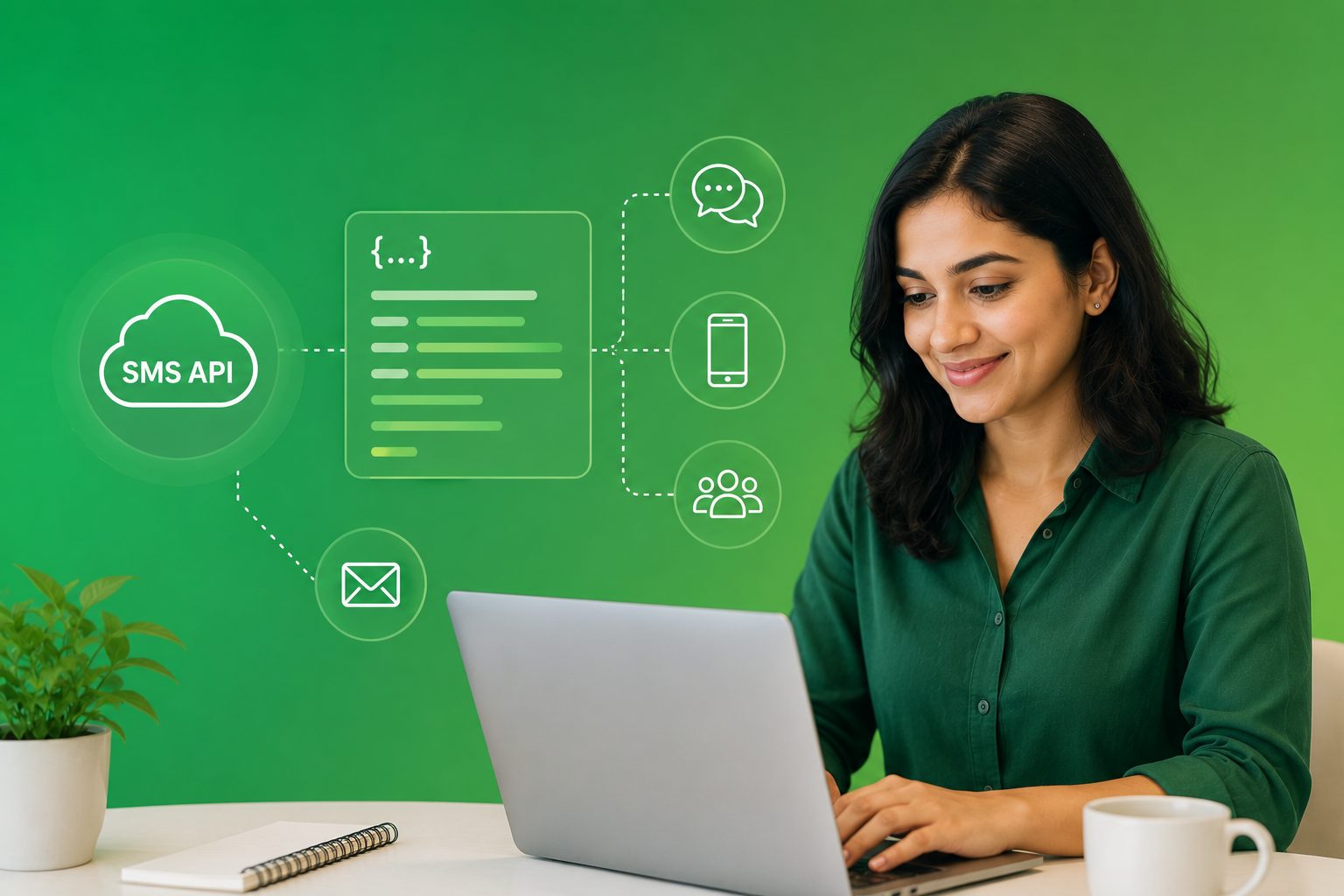
- SMS templates with merge fields pulling in guest names, reservation times, and party sizes automatically so every message feels individually written
- Built-in opt-in and consent tracking storing guest consent automatically and keeping your restaurant SMS marketing TCPA compliant
Restaurant SMS Statistics That Prove the Channel Works
- SMS messages carry a 98% open rate compared to roughly 20% for email. (CTIA)
- The majority of guests prefer booking confirmations and updates via SMS over email. (OpenTable)
- MMS campaigns generate up to 3x higher response rates than SMS-only messages. (MMS industry research)
- Nearly all US adults own a mobile phone, meaning your entire guest database is reachable by text. (Pew Research Center)
Frequently Asked Questions
Automated reminders sent 24 hours before and on the day of the booking give guests a simple way to confirm or cancel, dramatically reducing last-minute no-shows.
Yes, bulk SMS reaches your entire guest list within seconds, and adding MMS with dish images or event flyers generates up to 3x higher response rates than text-only messages.
Yes, provided guests have explicitly opted in under TCPA regulations. SendHub’s built-in opt-in system handles consent collection and record storage automatically.
Consent can be collected through a reservation form, an in-venue keyword campaign, a table sign-up card, or a booking checkbox, with all records stored automatically in SendHub.
Post-visit follow-ups, birthday offers, loyalty discounts, and early menu access keep your restaurant top of mind and convert one-time diners into regulars.
Yes, SendHub’s shared team inbox lets staff, managers, and owners manage all guest conversations from one centralised dashboard, ensuring no message gets missed during service.