
A2P 10DLC (Application-to-Person 10-Digit Long Code) is the industry-standard way for businesses to send text messages from a regular 10-digit phone number. The major U.S. carriers — AT&T, T-Mobile, and Verizon — require every business sender to register through The Campaign Registry (TCR) before sending.
The Campaign Registry launched and the major U.S. carriers began rolling out A2P 10DLC registration around 2021, with message filtering and fees for unregistered traffic ramping up through 2022–2023.
Business texting from ordinary 10-digit numbers grew quickly — and so did spam and scam messages. Carriers needed a reliable way to tell legitimate business senders apart from bad actors.
Reduce spam and fraud, improve deliverability for verified senders, and hold businesses to consistent carrier compliance standards across the network.
Higher-trust registrations send more messages per minute, so time-sensitive campaigns go out without throttling.
Move from a 1,000-a-day cap to tens or hundreds of thousands as your trust level increases.
Registered, vetted traffic is far less likely to be filtered or blocked by carriers.
Avoid carrier penalties and message blocking that come with unregistered “grey route” traffic.
Registered brands unlock message tracking and higher-volume sending. For links, use your own branded or private shortener — public shorteners like Bitly or TinyURL may still be filtered by carriers.
Consistent, branded, reliable texting builds confidence with the people you message.
A single brand with one campaign is $20 total. Each additional campaign is another $15. *Secondary vetting (for High-Volume Vetted) carries an additional fee $101.50 and is arranged through SendHub sales or support.
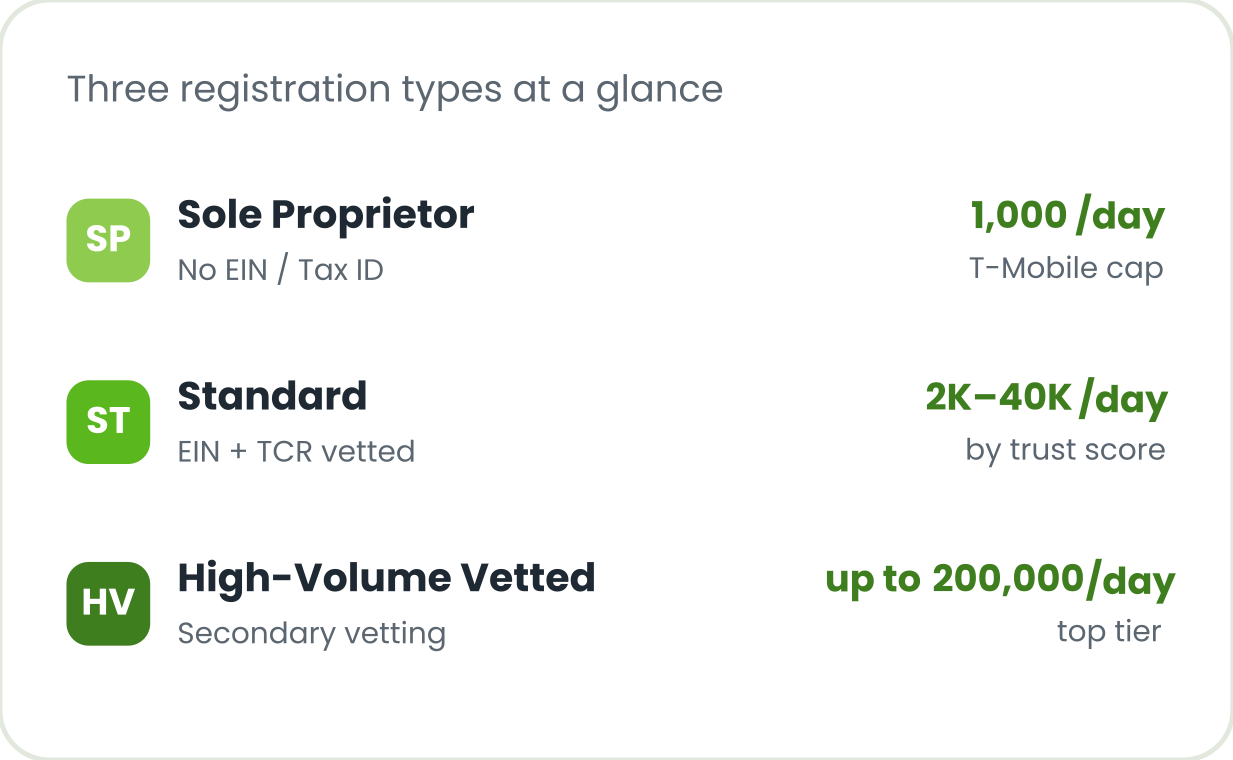
Registration fee $5 brand + $15 campaign
T-Mobile daily cap
1,000/day
AT&T throughput
15/min
Overall throughput
~1 msg/sec
Campaigns / numbers
1 campaign · 1 number
EIN required
No
Registration fee
$5 brand + $15 / campaign
T-Mobile daily cap
2,000–40,000/day
AT&T throughput
scales with Trust Score
Trust Score range
Campaigns / numbers
Multiple
EIN required
Yes
Registration fee
$5 brand + $15 / campaign + vetting*
T-Mobile daily cap
up to 200,000/day
AT&T throughput
Trust Score range
75–100
Secondary vetting
Request via sales*
EIN required
Yes
If you have an EIN, register as a Standard Brand — it’s the right fit for most businesses and unlocks far higher limits. Only choose Sole Proprietor if you do not have a Tax ID or EIN. If you send at high volume, add secondary vetting to reach the High-Volume Vetted tier.
There are two steps. Brand registration is typically completed in about 5–10 minutes, and your brand comes back verified or unverified depending on the information provided. Campaign registration then typically takes 2–5 business days. SendHub handles both submissions and keeps you updated.
When you register a Standard Brand, TCR assigns a Trust Score from 0–100 based on your business’s verifiable information and reputation. A higher score means higher throughput and bigger daily message caps with the carriers.
Yes. Standard Brands can add secondary (external) vetting to raise their Trust Score and move into higher throughput tiers, up to the top T-Mobile daily cap. There’s no self-serve option on the campaign form yet — just reach out to SendHub sales or support to request it, and they’ll handle the additional vetting and fee.
Yes, but use your own branded or private URL shortener. Public shorteners like Bitly or TinyURL are often shared by many senders and may be filtered or blocked by carriers — even for a verified brand. A dedicated shortener on your own domain keeps links trusted and deliverable.
Registration is a one-time cost split into two parts: $5 per brand and $15 per campaign. A single brand with one campaign is $20 total, and each additional campaign is another $15. High-Volume Vetted senders who add secondary vetting pay an additional $101.50, arranged through SendHub sales or support. Full plan pricing is on the pricing page.
Unregistered A2P traffic is filtered, throttled, or blocked by the carriers, and can incur penalties. Registration is required to send business texts reliably on a 10-digit number.