
SMS vs MMS is one of the most practical format decisions a business makes when building a text messaging strategy, and getting it wrong in either direction costs money, engagement, or both. According to the CTIA, SMS delivers a 98% open rate making it the highest-engagement direct channel available to any business. At the same time, the EZ Texting 2024 Consumer SMS Behavior Report found that 61% of consumers are more likely to click or purchase when a text promotion includes an image, which is only possible through MMS messaging. Neither format wins on every metric in every scenario. For small businesses and growing teams deciding how to structure their SMS and MMS marketing strategy, this guide covers what each format is, how they differ, when to use each, and how SendHub supports both from a single platform.
Key Takeaways
- SMS is text-only (160 characters per segment); MMS adds images, video, and audio with up to 1,600 characters.
- SMS is cheaper and universally supported; MMS costs more but lifts engagement with visual content.
- Use SMS for alerts, codes, and quick updates; use MMS when an image meaningfully drives the action.
- Both need opt-in consent and an opt-out to stay compliant for business messaging.
What Is SMS and What Is MMS Messaging?
SMS stands for Short Message Service. It is the standard text message format that has been in use since the 1980s, delivering plain text content of up to 160 characters over cellular carrier networks without requiring an internet connection on either end. If a message exceeds 160 characters, most carriers automatically segment and reassemble it as a multi-part message, which increases per-message cost.
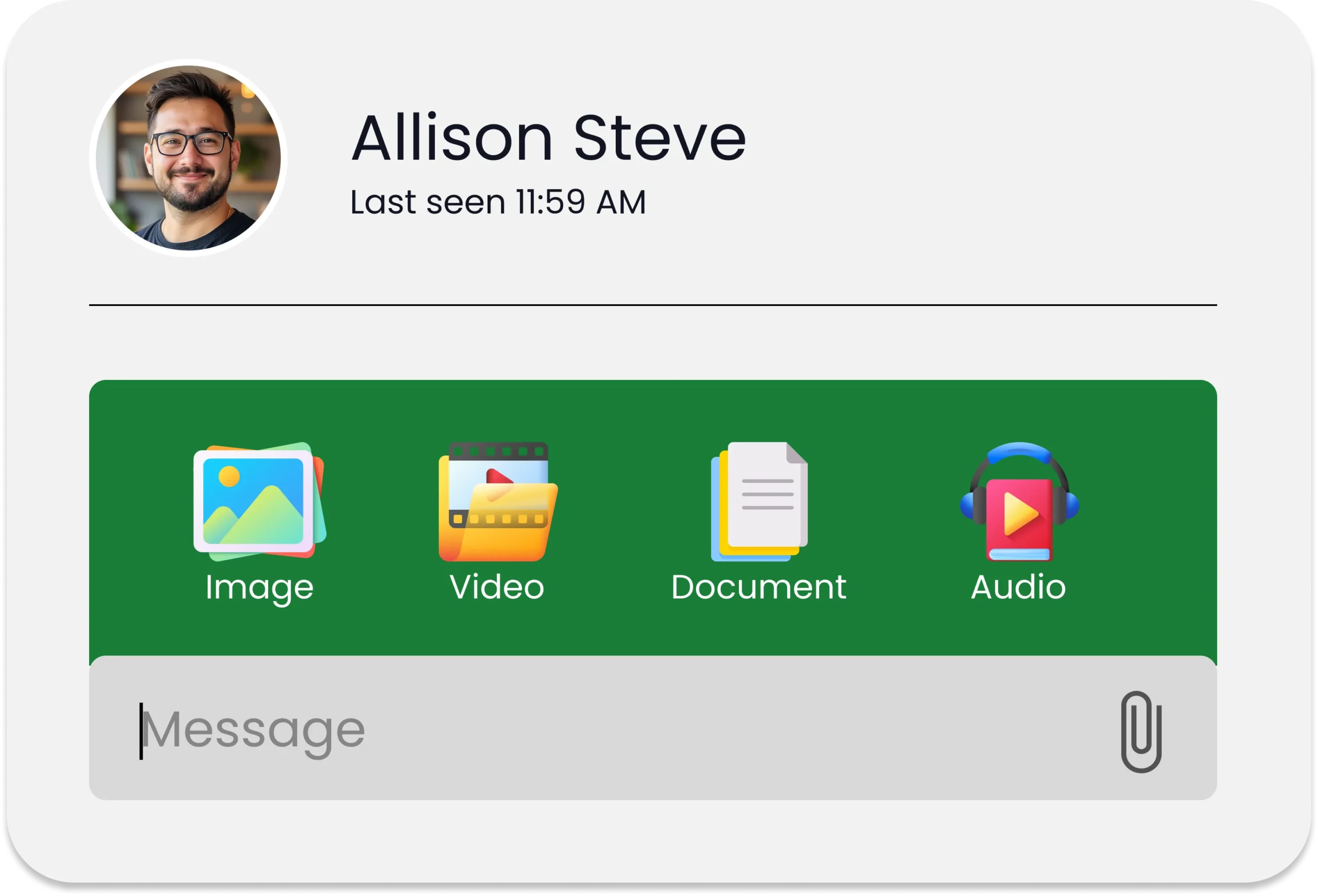
MMS stands for Multimedia Messaging Service. It is an extension of SMS that allows a message to include images, GIFs, short videos, and audio files alongside text content of up to 1,600 characters. MMS travels over the same carrier networks as SMS but requires more data to encode and deliver, which is why MMS messages carry a higher per-message cost than standard SMS sends.
The core distinction is simple: SMS delivers words, MMS delivers words plus media. Everything else in the SMS vs MMS decision flows from that single difference.
SMS vs MMS: A Direct Format Comparison
Understanding the technical differences between SMS and MMS helps businesses make smarter decisions about which format to use for each communication type. Here is how the two formats compare across the dimensions that matter most for business use:
- Character limit: SMS supports 160 characters per segment. MMS supports up to 1,600 characters, making it the right choice for messages where context or detail genuinely requires more space.
- Media support: SMS is plain text only. MMS supports images in JPG, PNG, and GIF formats, short MP4 videos, audio files, and animated GIFs.
- Cost per message: SMS costs less per send than MMS on most platforms. MMS requires additional encoding and carrier processing, which is reflected in higher per-message pricing.
- Deliverability: Both formats are delivered via carrier networks. SMS has marginally higher universal compatibility because it requires no media processing at the recipient’s end, while MMS requires the recipient’s device and carrier to support multimedia delivery.
- Character efficiency: When a message needs to include a link, a call to action, and a sender identification, SMS character limits require tight copy discipline. MMS removes that constraint and allows a supporting image to carry the visual weight that words alone cannot.

When to Use SMS for Business Communication
SMS is the right format for the majority of business text message communication because it is faster to compose, cheaper to send, and delivers immediately without depending on media rendering at the recipient end. The scenarios where SMS consistently outperforms MMS are those where speed, brevity, and reliability are the primary requirements.
The use cases where SMS is the clear choice are:
- Appointment reminders and confirmations: Healthcare SMS messaging and real estate text messaging for buyer follow-ups both rely on appointment and confirmation texts where the message content is a date, time, and one action. An image adds no value and adds cost.
- Time-sensitive alerts and notifications: SMS notifications for business such as order updates, delivery confirmations, payment reminders, and security alerts all require speed and reliability over visual richness.
- Two-way customer conversations: Two-way business texting works most naturally in SMS format because conversational replies do not benefit from media attachments and the lower cost per message makes high-frequency back-and-forth economically practical.
- Bulk and mass sends: Mass texting campaigns to large contact lists are more cost-efficient in SMS format, where per-message cost is lower and the message content, typically an offer, an update, or a reminder, does not require visual support to drive action.
When to Use MMS for Business Communication
MMS earns its higher per-message cost when the visual element directly increases the likelihood of engagement or purchase. The EZ Texting 2024 data showing 61% of consumers are more likely to click or purchase when a promotion includes an image makes the case precisely: MMS is the right format when showing is more persuasive than describing.
The use cases where MMS produces a measurable return on its higher cost are:
- Promotional campaigns with a visual product: SMS and MMS marketing campaigns for product launches, seasonal promotions, and flash sales all benefit from an image that shows the product or offer rather than describing it in 160 characters of copy.
- Restaurant promotions and new menu announcements: Restaurant text messaging for food promotions performs significantly better with a high-quality food image than with text alone, because appetite is a visual trigger that copy cannot replicate.
- Brand identity and customer appreciation messages: Customer appreciation texts, loyalty milestone messages, and seasonal greetings sent through SMS and MMS messaging gain warmth and visual memorability from a branded image that a plain text thank you does not carry.
- Real estate listing alerts with property photos: Real estate text messaging for property listings benefits from attaching a property image to a listing alert because the visual is the primary decision trigger, not the description text.
SMS vs MMS: A Practical Decision Framework
The simplest way to decide between SMS and MMS for any given message is to ask one question: does an image or media element make this specific message meaningfully more likely to drive the action I need?
If the answer is yes, use MMS. A product promotion where the product’s visual appeal is the selling point, a restaurant offer where the food image triggers appetite, or a brand appreciation message where a visual adds warmth that text alone cannot, all pass this test.
If the answer is no, use SMS. An appointment reminder, a payment notification, a two-way customer service conversation, or a bulk campaign where the offer itself is the draw all belong in SMS where the lower cost per send and higher reliability are the smarter operational choice.
Using MMS for every message type to appear more engaging is the most common and most expensive mistake businesses make in this format decision. It increases campaign costs without proportional return on the majority of message types where text alone is sufficient.

How SendHub Supports Both SMS and MMS From One Platform
The SMS vs MMS decision should be made at the campaign level, not the platform level. SendHub handles both formats natively so your team can send the right format for each scenario without switching tools or managing separate workflows:
Full SMS and MMS capability through the SMS and MMS marketing platform, where both formats are available from the same dashboard send with no additional setup required per format.
MMS attachments managed through MMS attachments and media messaging, which supports images, GIFs, and video files attached directly to outgoing messages from the browser interface.
Bulk and scheduled sends for both formats through bulk SMS delivery and automated scheduled text messaging, so campaigns in either format go out at the right moment without manual intervention.
Compliance across both formats through 10DLC-registered business texting registration support, ensuring every SMS and MMS your team sends travels on a carrier-registered, TCPA-compliant number from the first send.
Frequently Asked Questions
SMS is plain text messaging limited to 160 characters per segment. MMS is multimedia messaging that supports images, GIFs, and video with up to 1,600 characters of text. Consequently, the key difference is that MMS can include visual media while SMS cannot.
MMS stands for Multimedia Messaging Service. Furthermore, it is an extension of the standard SMS format that allows businesses to send images, GIFs, short videos, and audio files alongside text content in a single message.
Yes. MMS requires additional data encoding and carrier processing compared to SMS. Consequently, most business SMS platforms charge a higher per-message rate for MMS than for standard SMS sends.
MMS is the right choice when a visual element makes the message meaningfully more likely to drive a click or purchase. Furthermore, product promotions, restaurant food offers, and real estate listing alerts are the strongest MMS use cases because the visual is the primary engagement trigger.
SMS supports 160 characters per segment before splitting into multi-part messages. MMS supports up to 1,600 characters of text alongside the media attachment. Consequently, MMS is also the better choice when a message genuinely requires more than 160 characters of copy.
For visual-dependent content, yes. The EZ Texting 2024 Consumer SMS Behavior Report found that 61% of consumers are more likely to click or purchase when a text promotion includes an image. However, for transactional messages like appointment reminders and delivery updates, SMS is equally effective at lower cost.