Omnichannel messaging is the practice of connecting every customer communication channel into a single, unified experience so conversations flow without repetition or context loss. According to the Salesforce State of the Connected Customer report, 73% of customers expect to start an interaction on one channel and finish it on another without repeating themselves. Research from the Aberdeen Group reinforces why that expectation carries commercial weight: brands with strong omnichannel engagement retain 89% of their customers, compared to just 33% for businesses with disconnected setups. Most businesses still manage SMS, email, and phone in separate tools with no shared context between them. This guide breaks down what omnichannel messaging is, how it differs from multichannel communication, and how to build a strategy that works in practice.
What Omnichannel Messaging Is and Why It Matters for Businesses
Omnichannel messaging is a customer communication approach that integrates SMS, email, voice, and other channels into one platform where conversation history, contact data, and team responses are visible in a shared view, so every agent has full context before responding, regardless of which channel the customer used last.
The business case is direct. McKinsey research shows that customers who interact across multiple channels are at least 1.25 times more valuable than single-channel customers. When those interactions are disconnected, businesses absorb higher service costs, lower conversion rates, and churn rates that consistently outpace omnichannel-ready competitors. For industries where relationship continuity drives revenue, such as healthcare, real estate, and recruiting, omnichannel messaging is what customers already expect, and the gap between expectation and delivery is where businesses lose them.
Omnichannel Messaging vs. Multichannel Messaging: A Critical Distinction
Multichannel communication means a business is present on SMS, email, and other channels, but each operates independently with no shared data. Omnichannel messaging connects those same channels so every interaction is part of one continuous conversation.
| Multichannel messaging | Omnichannel messaging | |
|---|---|---|
| Channels | Present on SMS, email, voice, and more | The same channels, connected together |
| Shared data and context | No, each channel works in isolation | Yes, one shared conversation history |
| Customer experience | Repeats themselves at each new channel | Never repeats, one continuous thread |
| Agent visibility | Sees only their own channel | Sees full history across every channel |
| Result | Channel presence | Continuity and higher retention |
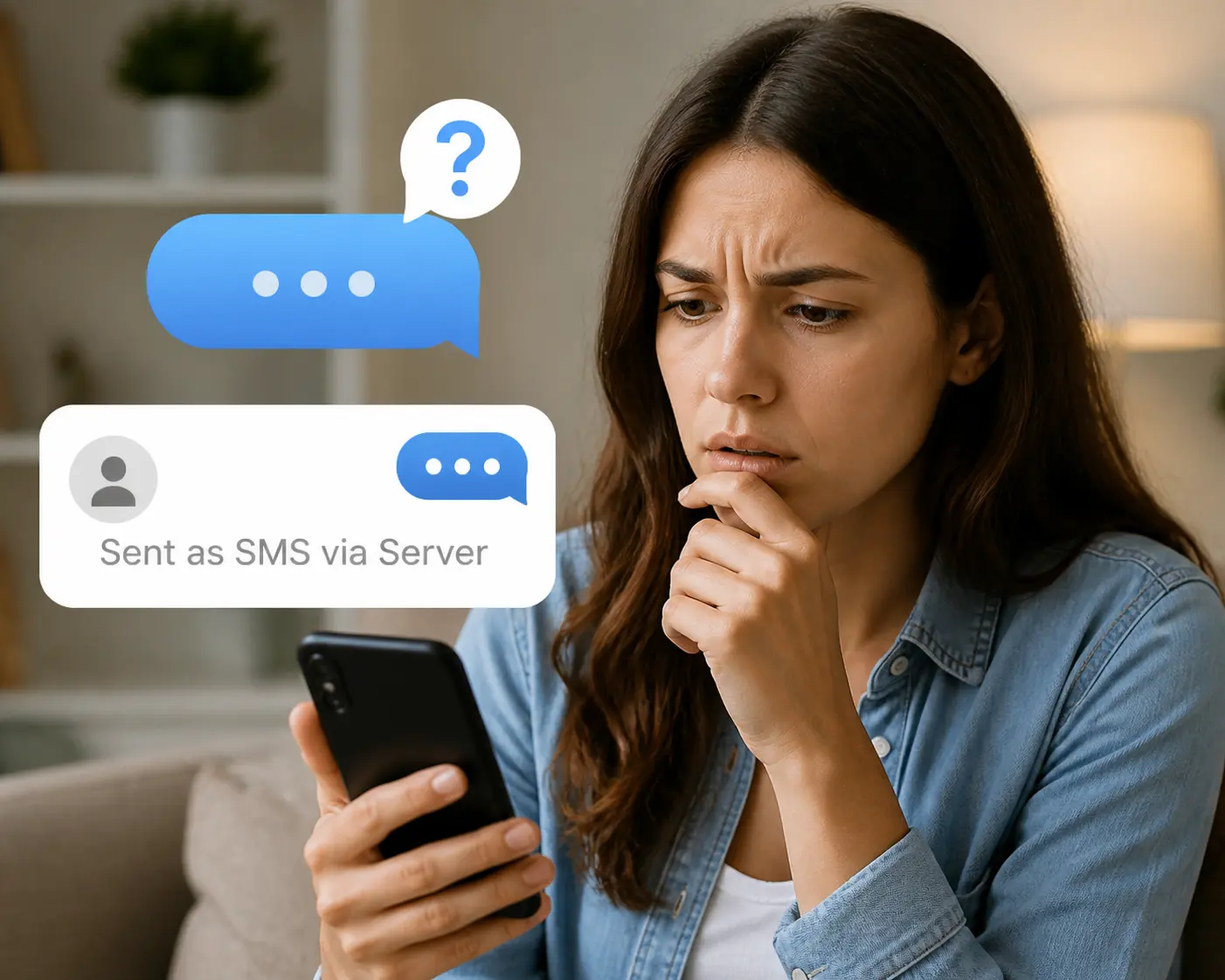
The difference is clearest through a real scenario. A customer texts a small business asking about an order. No response comes, so they follow up by email. The agent handling email has no record of the text and asks the customer to explain the issue again. Frustrated, the customer calls. The call agent sees neither the text nor the email and asks a third time. Three touchpoints, three repetitions, one lost customer.
The same journey through an omnichannel messaging platform looks different. The email agent sees the original text. The call agent sees both. Nobody asks the customer to repeat anything. That continuity is the functional difference between multichannel presence and omnichannel integration, and it is the reason unified customer communication is no longer optional for businesses competing on customer experience.

How Omnichannel Messaging Works in Practice
The Shared Omnichannel Inbox
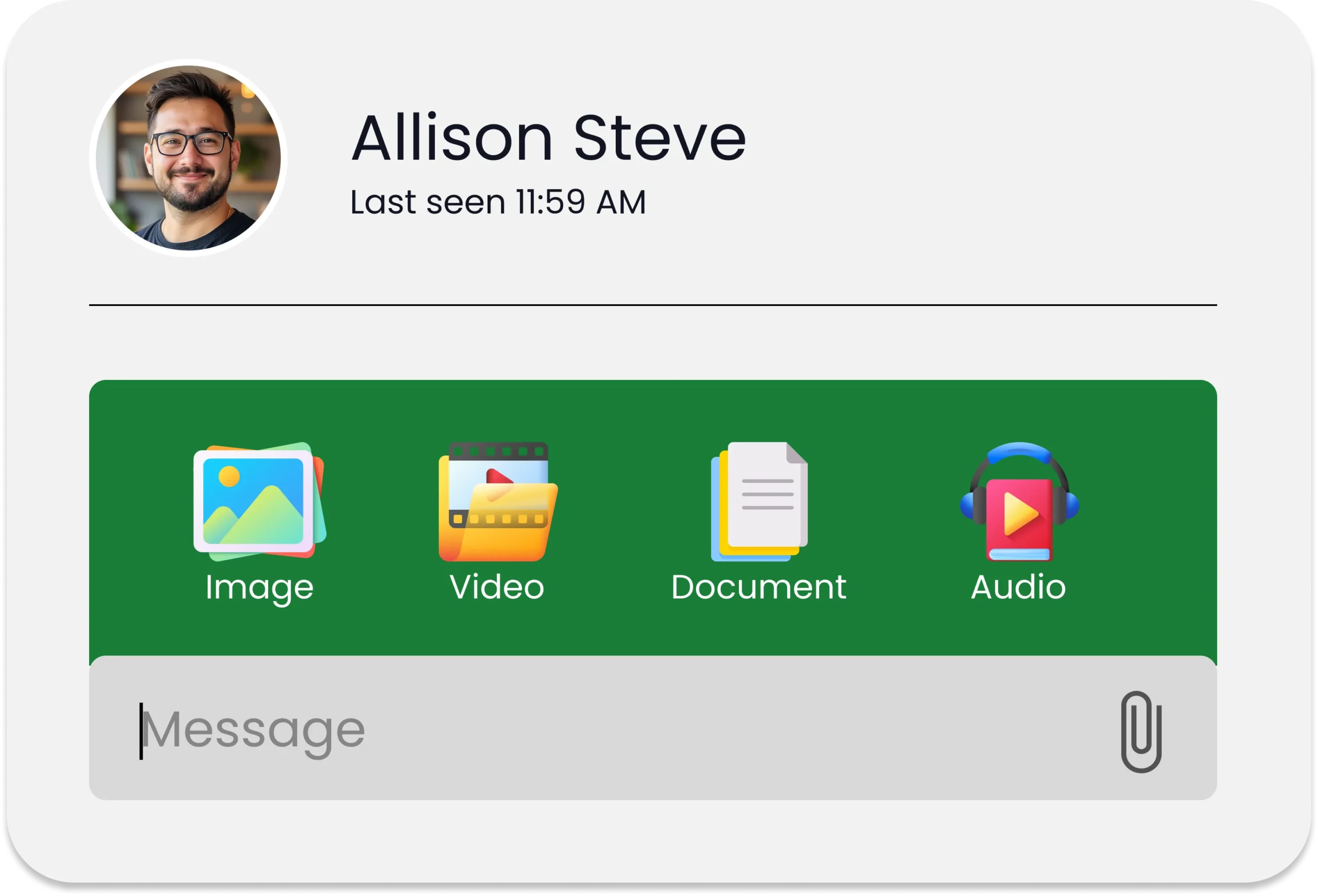
The operational center of any omnichannel messaging platform is a shared inbox where messages from every connected channel appear in one place. Teams assign conversations, add internal notes, and respond without switching between tools.
SendHub’s shared inbox consolidates business SMS conversations across departments and team members so every agent has full thread visibility. For mid-size businesses managing high message volumes, this removes the duplicate response and missed follow-up problems that fragmented tools create.
SMS as the Backbone of Omnichannel Support
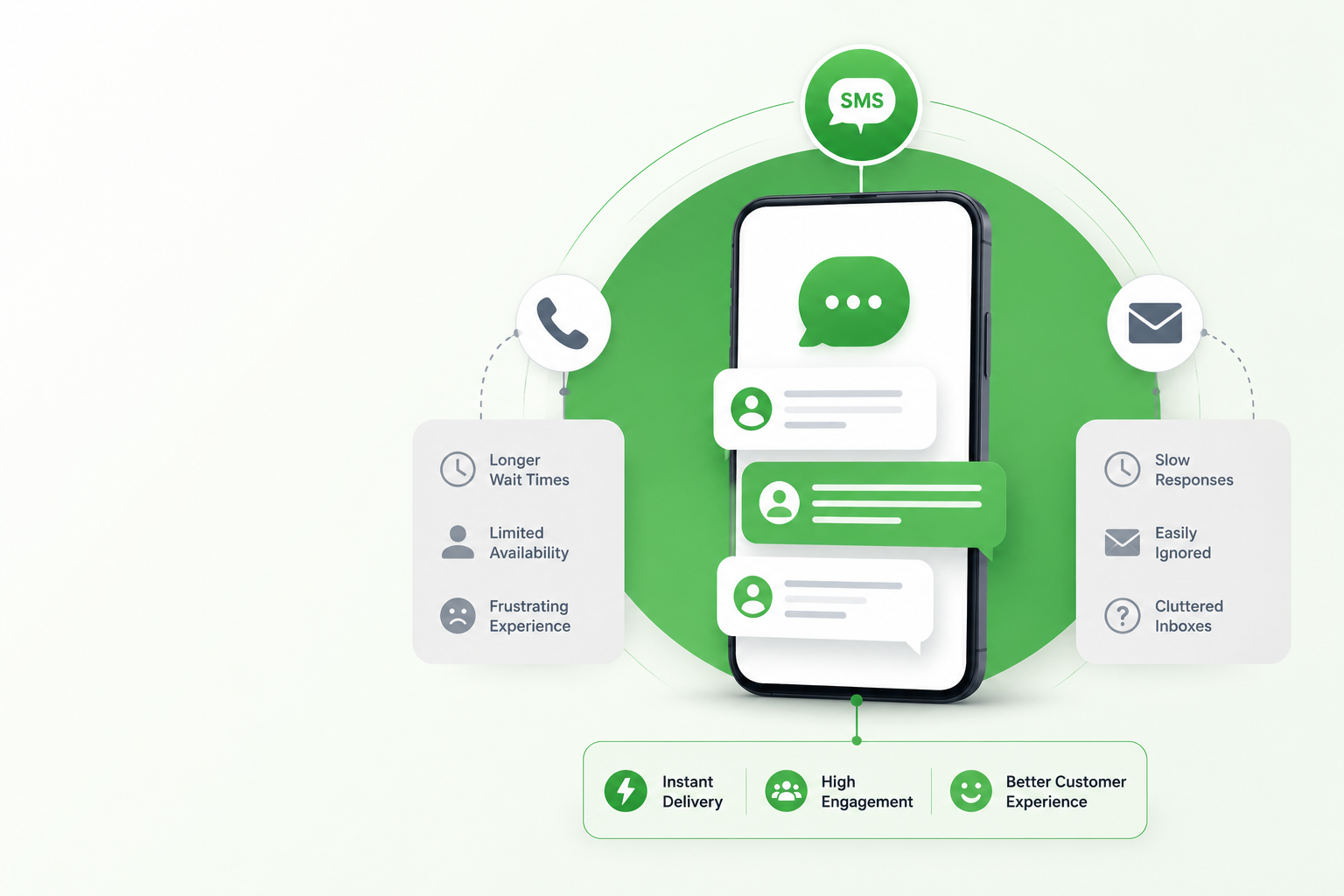
In a well-structured omnichannel strategy, SMS messaging carries the highest open and response rates of any channel. Appointment reminders, order updates, and service alerts all perform better over business texting than email because customers read texts within minutes. For transportation teams, restaurants, and schools, SMS is the channel that closes the loop fastest, making it the most reliable starting point for any omnichannel setup.
Contact Context and Automation
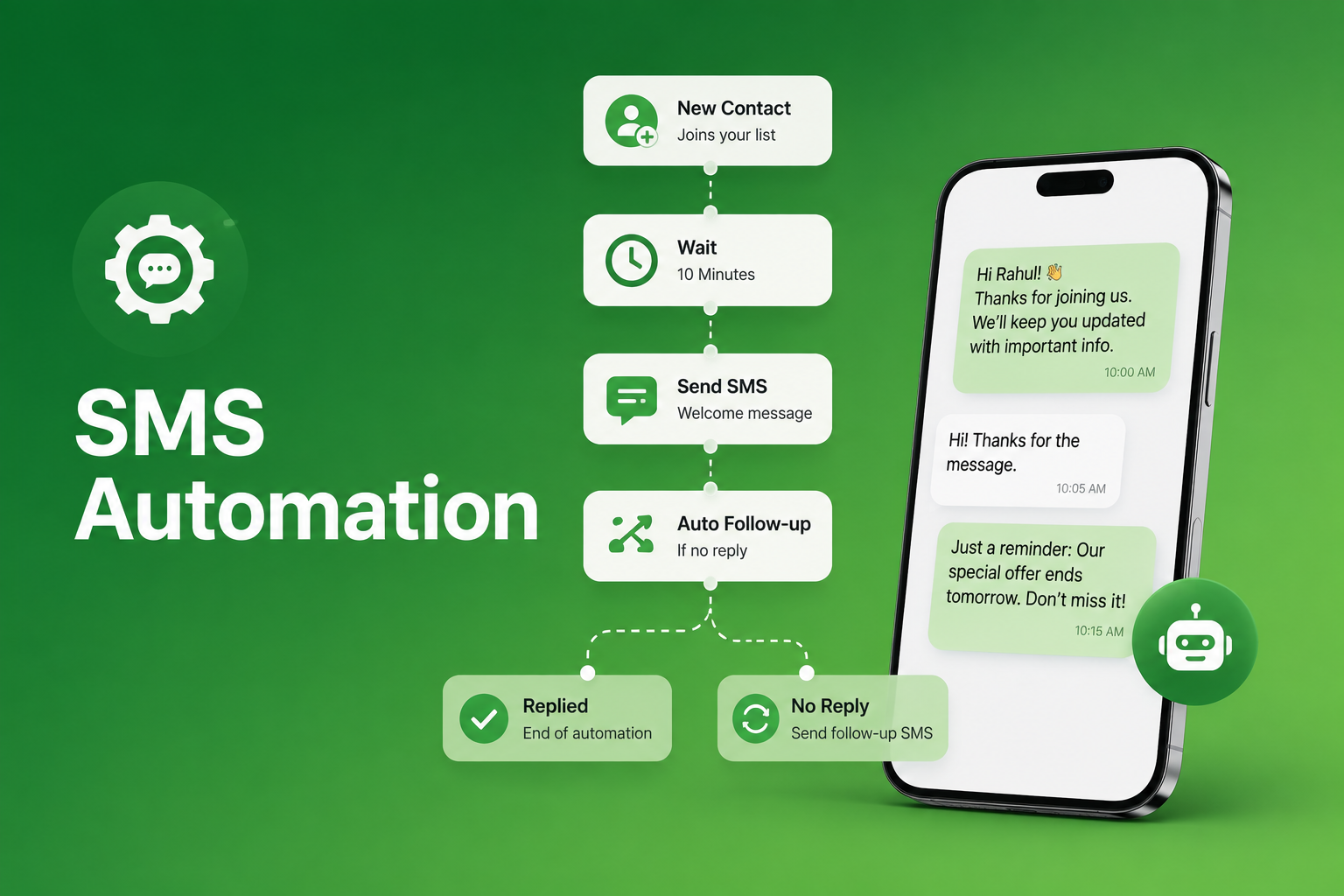
An omnichannel platform links contact records to conversation history so agents have full context before responding. SendHub’s contact database stores customer records and connects them to message history, supporting consistent omni channel customer service across teams. SMS templates and scheduled text messaging handle recurring and time-based sends automatically, ensuring no follow-up falls through the cracks between channels for teams at nonprofits and auto dealers managing large contact lists.
How to Build an Omnichannel Customer Messaging Strategy
A practical omnichannel customer messaging strategy follows three steps.
First, audit your current channels. Identify where customers already reach you and where context breaks down. The points where customers repeat themselves are the gaps your omnichannel messaging platform needs to bridge.
Second, unify your SMS inbox. Because SMS delivers the highest engagement rates of any business communication channel, connecting it to a shared team inbox is the highest-value first step. The SendHub guide to mass text messaging benefits and best practices covers how to structure SMS as the core channel within a broader communication strategy.
Third, connect your contact data. Import contacts, tag them by segment, and link conversation history to contact records. This is what allows your team to deliver context-aware responses rather than generic ones, which is the operational foundation of genuine omnichannel support.
Why SendHub Is the Right Omnichannel Messaging Platform for Your Business
Those three steps, unifying your inbox, anchoring on SMS, and connecting your contact data, require a platform that handles all three natively. SendHub is built for businesses that need reliable, unified customer communication without enterprise-level complexity or technical implementation.
- Shared inbox that consolidates all business SMS conversations across teams in one place
- Two-way texting for real-time, personalised customer conversations at every stage of the journey
- Group messaging and text alerts for broadcast communication to segmented contact lists
- Merge fields for personalisation at scale across every outbound message
- Analytics and reporting to track channel performance and identify where conversations succeed or break down
- Text surveys to capture customer feedback directly inside the messaging channel
SMS and MMS marketing tools that connect promotional messaging to ongoing customer relationships
Frequently Asked Questions
Omnichannel messaging connects SMS, email, voice, and other channels into one platform where conversation history is shared across every touchpoint. Consequently, customers never have to repeat themselves regardless of which channel they use.
Multichannel means being present on multiple channels that operate independently. Omnichannel means those channels share data and context, so the customer experience is continuous. Therefore, the key difference is integration, not presence.
An omnichannel inbox is a shared workspace where messages from all connected channels appear in a single view. Additionally, it allows teams to assign, respond to, and track customer conversations without switching between separate tools.
SMS delivers the highest open and response rates of any business communication channel. Furthermore, it is the fastest touchpoint for time-sensitive interactions, making it the most reliable backbone for an omnichannel setup.
Aberdeen Group research shows brands with strong omnichannel engagement retain 89% of customers versus 33% for disconnected setups. Moreover, removing the need to repeat information is one of the strongest drivers of satisfaction and loyalty.
Omnichannel support focuses on resolving customer issues consistently across channels. Omnichannel marketing focuses on delivering consistent promotional messaging across those same channels. Together, they form a complete unified customer communication strategy.
A customer texts a business about an order, follows up by email, then calls. On an omnichannel platform, every agent sees the full history from all three channels, so the customer never has to repeat themselves and the conversation stays continuous.