
Lead generation is the process of attracting people with genuine interest in your product or service and converting that interest into a sales opportunity. According to HubSpot’s State of Marketing report, 61% of marketers say generating high-quality leads is their single biggest challenge, making it one of the most discussed disciplines in business growth. Research from the MIT Sloan Management Review shows that the odds of qualifying a lead drop ten times after the first hour of attempted contact, meaning how fast a business responds matters as much as how it captures one. Whether you are just starting out or refining an existing approach, this lead generation guide covers what lead generation is, which strategies work, and how SMS fits into every stage of a modern lead generation strategy.
What Is Lead Generation and Why Does It Matter for Your Business?
Lead generation is identifying prospective customers, capturing their contact information, and moving them toward a purchase decision. A lead is any person who has shown interest in what you offer, whether by filling out a form, texting a keyword, clicking an ad, or attending an event.
For small businesses with limited sales resources, a lead generation strategy creates a pipeline of warm contacts rather than requiring cold outreach to strangers. For B2B lead generation specifically, where sales cycles are longer and decisions involve multiple stakeholders, consistent lead volume is what sustains revenue targets quarter over quarter. Without a structured approach, growth depends entirely on referrals, which are unpredictable and impossible to scale on demand.
Types of Leads Every Lead Generation Strategy Should Account For
Before building a how to generate leads plan, it helps to understand what kind of contacts you are actually working with. In plain terms: a cold lead has never engaged with your business, a warm lead has shown some interest, and a hot lead is actively evaluating a purchase. Most marketing and sales teams use three more specific labels.
A marketing qualified lead, or MQL, is a warm contact who has engaged with your content or opt-in campaign meaningfully, such as downloading a guide or texting a keyword to join an SMS list. Think of them as interested but not quite ready. They are worth nurturing rather than handing them to sales immediately.
A sales qualified lead, or SQL, has demonstrated clear purchase intent through a demo request or direct reply signalling readiness to talk to your team. SQLs are the contacts a business prioritises for immediate direct outreach.
An unqualified lead has provided contact details but shows no clear fit with your product or timing. Over-investing in unqualified contacts is one of the most common reasons lead generation programmes underperform and cost more than they return.

How to Generate Leads: Proven Strategies That Work for Beginners
Effective lead generation draws prospects in across multiple channels and gives them a clear, low-friction path to raise their hand. The following strategies are among the most widely used across business sizes and industries.
Content marketing attracts leads by answering questions your audience is already searching for. According to the HubSpot State of Marketing report, 76% of marketers rely on it as a primary lead generation channel. Email marketing and paid social advertising are also well-established channels for reaching new audiences and driving opt-in volume, particularly for B2B lead generation programmes targeting specific industry segments.
Keyword opt-in via SMS converts browsers into consented contacts instantly. A prospect texts a keyword to a number they see on a sign, ad, or website and is added to your list with documented consent in seconds. SendHub’s text keywords feature sets up keyword opt-in programmes in minutes across any industry.
Text surveys qualify leads immediately after opt-in without requiring a long web form. SendHub’s text surveys tool sends a short qualification sequence automatically after opt-in, letting your team segment and prioritise before the first follow-up message goes out.
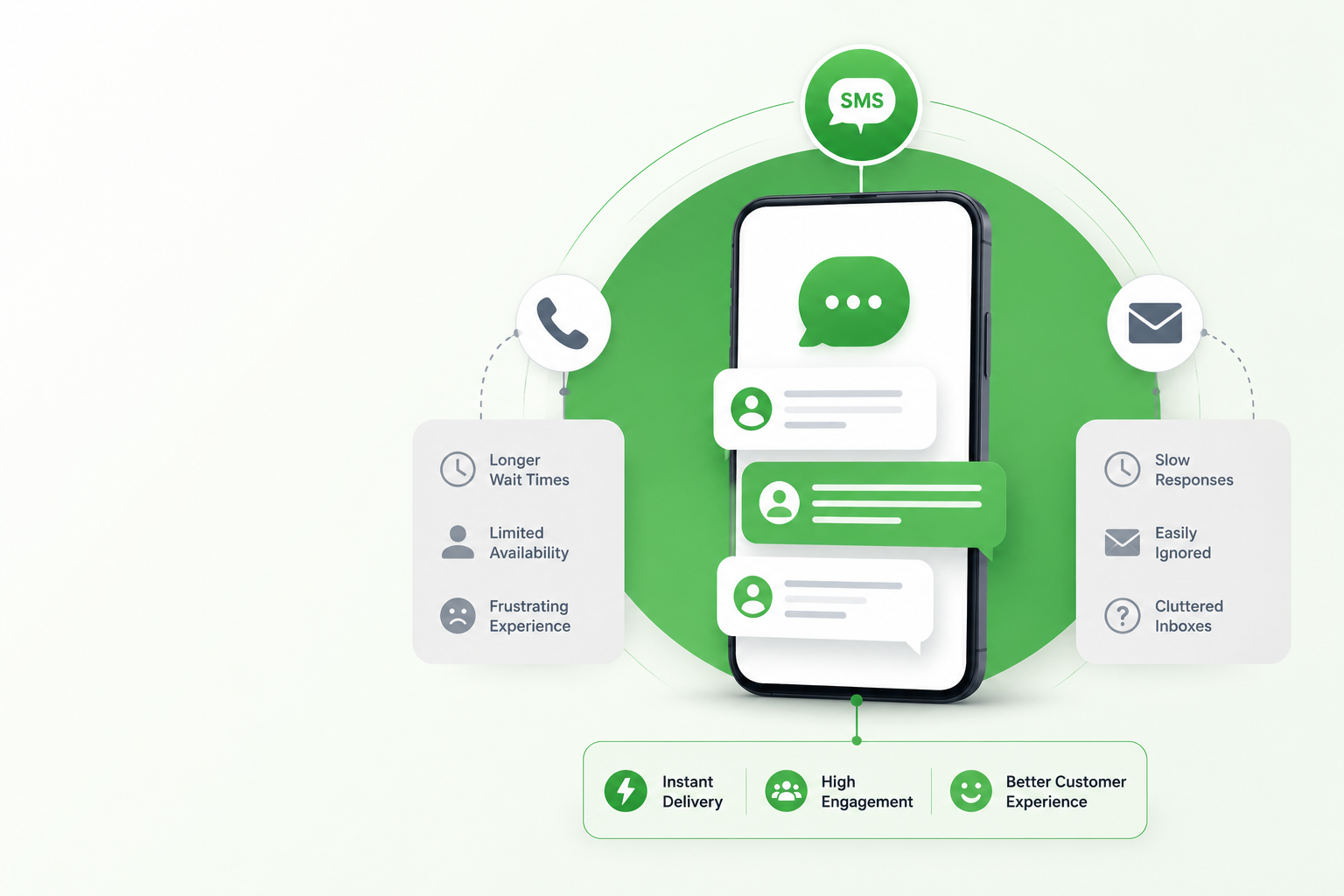
For real estate teams managing dozens of daily enquiries, healthcare providers handling appointment requests, or recruiting firms tracking multiple candidate pipelines, speed determines who converts. The MIT Sloan finding that qualification odds drop ten times after the first hour explains exactly why SMS is the right response channel: texts are read within minutes, not hours.
Lead Generation Strategy: How SMS Strengthens Every Stage
A strong lead generation strategy covers three stages: attract, capture, and nurture. SMS strengthens each one.
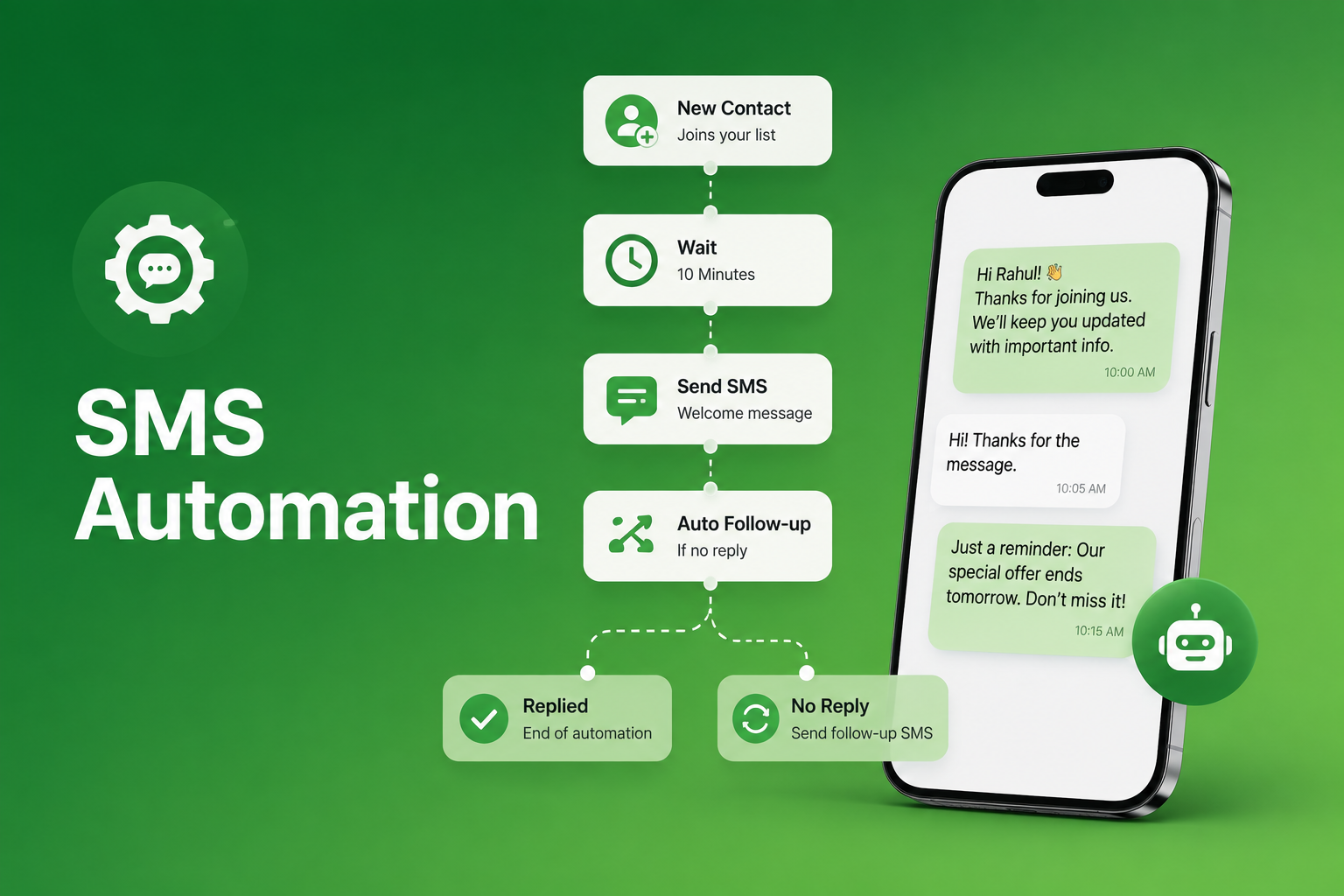
At the attraction stage, SMS and MMS marketing campaigns drive traffic to landing pages and opt-in forms through targeted broadcast messages. In the capture stage, keyword opt-in converts a stranger into a named, consented contact in seconds. At the nurture stage, two-way business texting and scheduled text messaging keep leads engaged through follow-ups timed around their behaviour and intent signals.
Merge fields allow every nurture message to address the lead by name and reference their specific interest, which increases response rates compared to generic broadcast messages. The SendHub guide to mass text messaging benefits and best practices covers how to structure SMS nurture sequences that convert at every stage of the funnel.
TCPA compliance is the non-negotiable foundation of any SMS lead generation programme. Every lead captured via text must provide prior express written consent before receiving marketing messages. Current guidance is available from the FCC’s official TCPA resource page.

How SendHub Powers Your Lead Generation Strategy
MIT Sloan Management Review research on response time makes one thing clear: the business that reaches a lead first wins the opportunity. SendHub is built to close that response window, giving businesses of every size the tools to capture, qualify, and nurture leads through SMS without a technical team or complex setup.
- Text keyword opt-in for instant lead capture from any ad, sign, or landing page
- Two-way business texting for personalised follow-up conversations that move leads toward a decision
- Automated text surveys to qualify leads immediately after opt-in with short question sequences
- Merge field personalisation for name and custom-field personalisation across every nurture message
- Scheduled follow-up texts delivered at the moment leads are most likely to respond
- Analytics and reporting to track opt-in volume, response rates, and conversion performance across every campaign
SMS and MMS campaigns for attraction-stage messages that drive new leads into your pipeline
Frequently Asked Questions
Lead generation is attracting people interested in your product and collecting their contact details so you can follow up. Consequently, it turns strangers into prospects your sales team can work with directly.
A lead has shown interest but has not yet made a purchase. Therefore, the goal of every lead generation strategy is to move leads through the sales process until they become paying customers.
B2B lead generation is attracting other businesses as potential customers rather than individual consumers. Additionally, B2B leads typically require longer nurturing cycles because purchase decisions involve multiple stakeholders and larger budgets.
An MQL has shown interest through content or opt-in actions but is not yet ready to buy. Consequently, an SQL has demonstrated clear purchase intent and is ready for direct sales outreach from your team.
SMS captures leads via keyword opt-in, qualifies them through automated text surveys, and nurtures them with personalised follow-ups. Furthermore, texts are read within minutes, making SMS the fastest channel for lead response and first-contact conversion.
MIT Sloan Management Review research shows qualification odds drop ten times after the first hour. Therefore, an immediate SMS follow-up after opt-in gives your business the strongest chance of converting new interest into a live conversation.
A lead magnet is an incentive offered in exchange for a prospect’s contact information, such as a discount, free guide, or exclusive content. Additionally, SMS keyword opt-in programmes use the promise of updates or offers as the lead magnet itself.