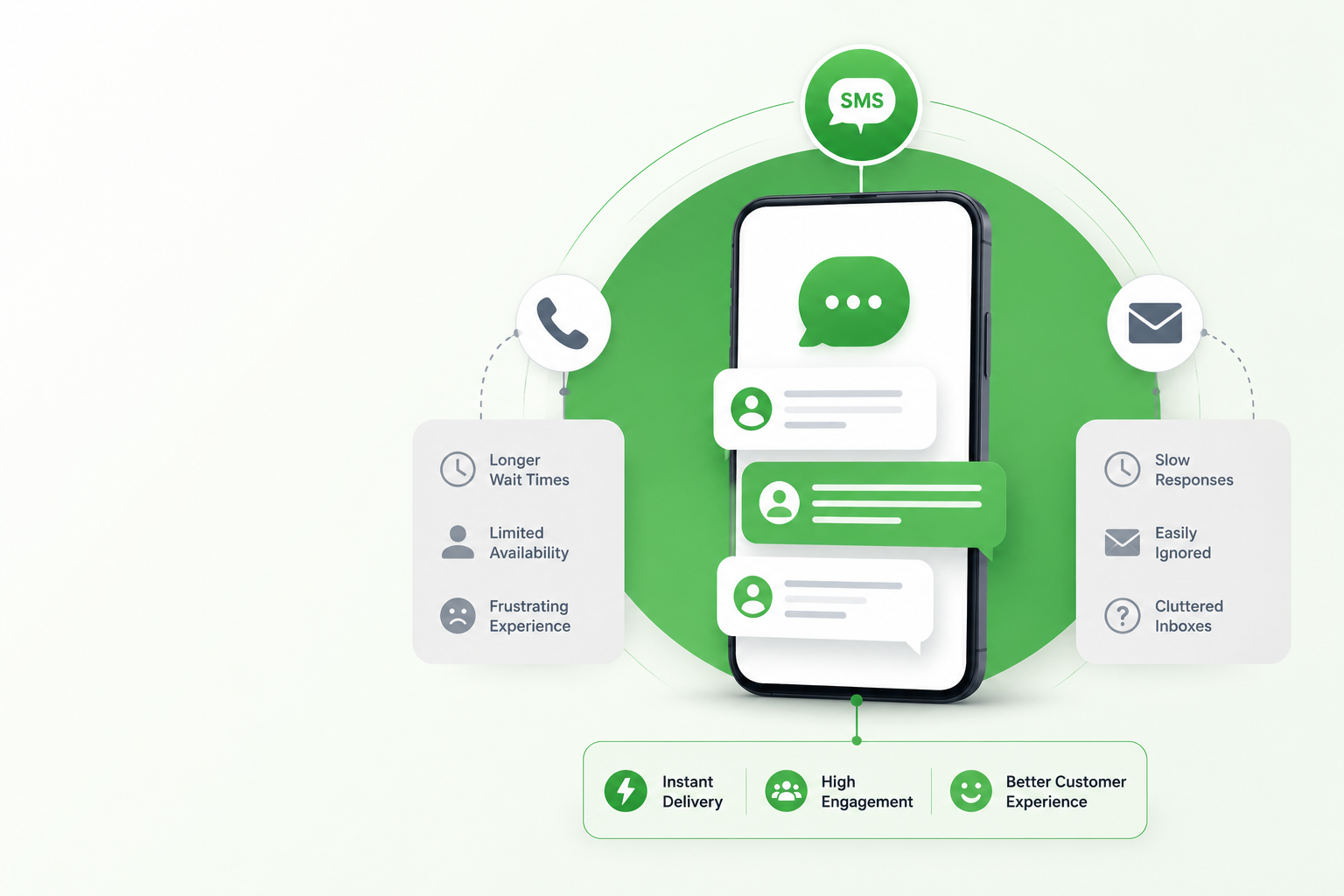
A text blast gives businesses a direct, immediate channel to reach every contact on their list simultaneously, without the delivery delays of email or the reach restrictions of social media. According to CTIA, Americans exchange over 2 trillion text messages per year, making SMS the highest-volume personal communication channel in the country. GSMA Intelligence reports that more than 5 billion people worldwide are active mobile subscribers who rely on SMS, confirming it as the most universally accessible messaging technology available. For any business that needs to communicate urgently and at scale, the text blast remains the most direct tool in the channel mix, whether the goal is driving a sale, pushing a service alert, or mobilizing a community before an event.
What Is a Text Blast and How Does It Work?
A text blast is a single SMS message sent from one source to a large group of recipients at the same time. Each person receives it privately in their own inbox, not inside a shared thread. This is what separates it from group messaging, where all participants can see and reply to each other’s responses.
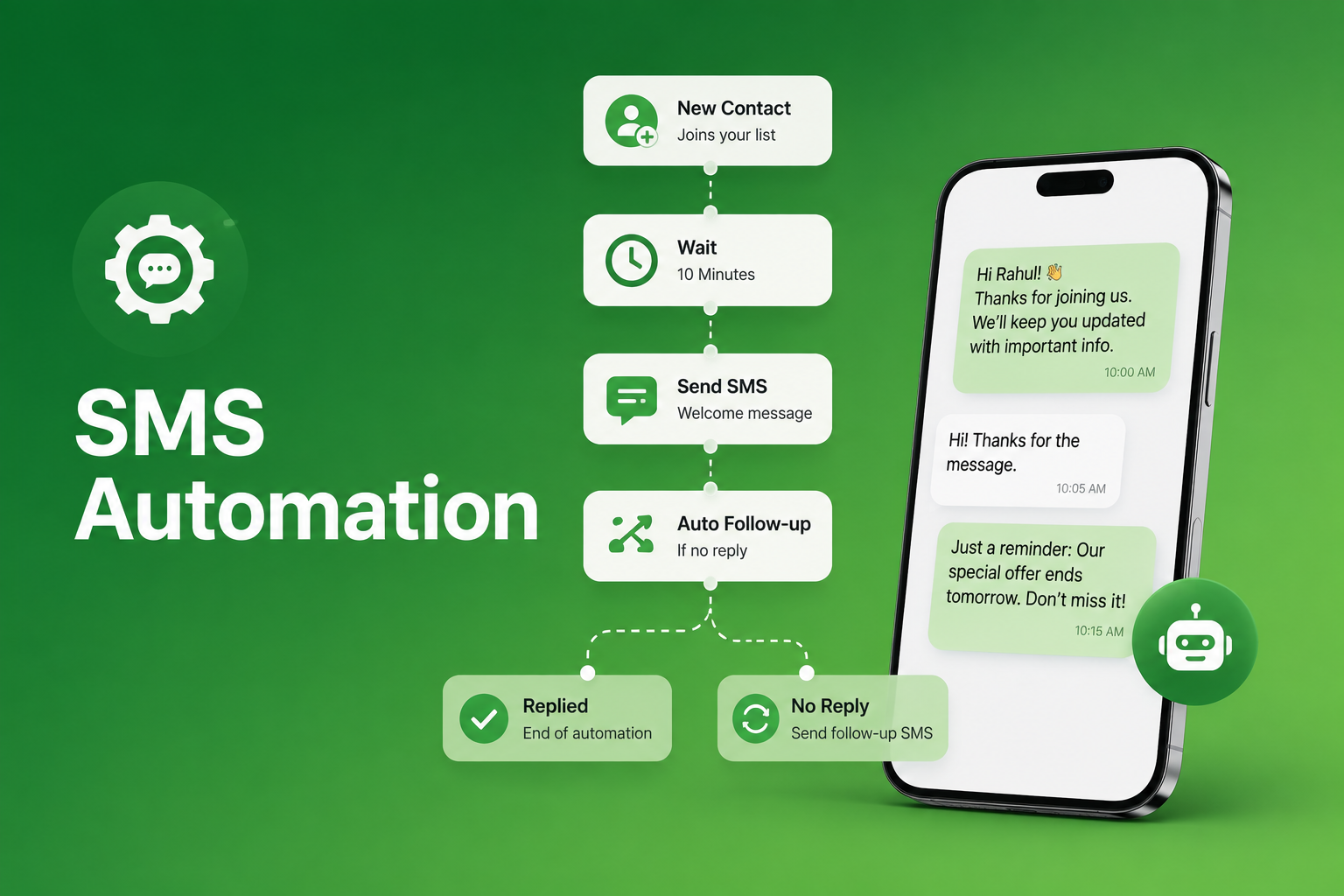
As a form of mass texting service, a text blast prioritizes speed and reach. SMS blasts work best when the content applies broadly to your entire list or a well-defined segment of it. Common text blasting scenarios include time-sensitive promotions, urgent service alerts, appointment reminders, event notifications, and internal staff communications. Because recipients need no app or internet connection to receive a message, an SMS blast reaches virtually every mobile device on the network.
How to Send a Text Blast in Five Steps
Sending an SMS blast through SendHub requires no technical expertise. The process follows a consistent, repeatable sequence.
Step 1: Build a compliant contact list. Every recipient must actively opt in before your text blast goes out. Purchasing contact lists violates TCPA regulations and exposes your business to significant financial penalties.
Step 2: Upload and segment your contacts. Import your list into SendHub’s contact database and organize recipients by location, purchase history, or industry for more targeted text blasts.
Step 3: Write and personalize your message. Keep it concise and action-oriented. Use merge fields to insert recipient-specific details such as first names or appointment times into every send, even when the blast reaches thousands of contacts.
Step 4: Schedule or send immediately. Use scheduled text messaging to queue your text message blast for the right date and time, or deliver it instantly when urgency demands it.
Step 5: Track results and manage replies. Monitor delivery rates and opt-outs in real time through SendHub’s reporting dashboard. All replies from your text blast route into a shared team inbox so every response is handled and no thread goes cold.
Text Blast Use Cases Across Key Industries in 2026
The same core capability applies across industries with very different communication needs. Below are the most common text blasting use cases, each with a ready-to-use message template.
Restaurants use SMS blasts to push limited-time offers, fill last-minute reservation slots, and notify loyalty members of menu updates.
Restaurant template: “Hi [Name], tonight only: buy one entree, get one 50% off. Show this text at the door. Valid until 10 PM. [Business Name]. Reply STOP to opt out.”
Healthcare providers send text blasts for appointment reminders, discharge instructions, and public health alerts that reach patients within seconds.
Healthcare template: “Reminder: Your appointment with Dr. [Name] is tomorrow at [Time]. Reply CONFIRM to keep it or CANCEL to reschedule. [Clinic Name]. Reply STOP to opt out.”
Nonprofits use text blasting services to mobilize volunteers, launch fundraising drives, and reach donors who respond faster to SMS than to email.
Nonprofit template: “Help us hit our goal today. Every dollar is matched until midnight. Donate now: [link]. Thank you for your support. Reply STOP to opt out.”
Schools rely on SMS blasts for emergency alerts and schedule changes where delivery speed directly affects safety outcomes. Recruiting firms use text blasts to notify candidates of open roles and confirm interviews before interest cools. Auto dealers deploy SMS blasts for service reminders, seasonal promotions, and same-day inventory alerts.
Text Blast Compliance in 2026: TCPA, 10DLC, and Sending Legally
Every text blast carries legal obligations that must be clearly understood before any campaign launches.
Under the Telephone Consumer Protection Act, businesses must obtain prior express written consent before sending any commercial SMS to a consumer. Violations carry fines of $500 to $1,500 per unsolicited message sent. Every text blast must additionally include a clear opt-out instruction, typically a prompt to reply STOP.
All commercial text blasting over 10-digit long codes in the United States must also be registered through 10DLC. Without registration, SMS blasts are frequently filtered or blocked by carriers before reaching any recipient. SendHub guides every US account through 10DLC brand and campaign registration during onboarding.
CTIA carrier guidelines further require that businesses send only between 8 AM and 9 PM in the recipient’s local time zone, honor opt-out requests immediately, and never use purchased or rented contact lists.
How SendHub Powers Your Text Blast Campaigns
SendHub is a business text blast service built for teams that need reliable, compliant, high-volume SMS delivery.
- One-click mass texting to hundreds or thousands of contacts from a browser-based dashboard, with no downloads or technical setup required
- Merge fields for personalizing each SMS blast with recipient-specific data at scale
- Scheduled sending to queue text blasts days or weeks in advance
- Reusable message templates for recurring campaigns such as weekly promotions or event reminders
- Two-way texting that routes blast replies into a shared team inbox for organized follow-up
- Analytics and reporting dashboard with real-time delivery tracking, opt-out monitoring, and campaign-level engagement data
- Built-in opt-in and opt-out management to keep every text blast fully TCPA compliant
Bulk SMS service infrastructure with carrier-compliant message throttling for reliable high-volume delivery
Frequently Asked Questions
A text blast is a single SMS message sent simultaneously to a large group of contacts, with each recipient receiving it privately in their inbox. It is widely used for promotions, alerts, reminders, and urgent communications.
In a text blast, every recipient receives the message individually without seeing other contacts. In group texting, by contrast, all participants share a single thread where everyone can see each other’s replies.
Yes, text blasting is legal when done correctly. Senders must have prior written consent from every recipient, provide a clear opt-out option, and fully comply with TCPA regulations and CTIA carrier guidelines.
10DLC is a carrier registration system for commercial text messaging over 10-digit phone numbers. Without it, SMS blasts are routinely filtered by carriers and never delivered to the intended recipients.
Yes. SendHub’s merge fields insert recipient-specific information such as names or appointment details into every message, even when the blast reaches thousands of contacts simultaneously.
Most businesses achieve the highest engagement between 10 AM and 6 PM in the recipient’s local time zone. Additionally, CTIA guidelines prohibit sending before 8 AM or after 9 PM local time.