
The future of SMS marketing is being written right now, and businesses that ignore it risk falling behind. According to CTIA, Americans exchange over 2 trillion text messages annually, making SMS the most widely used data service on the planet. With open rates consistently above 90%, SMS marketing outperforms every other marketing channel for direct customer reach. As AI, omnichannel integration, and tightening compliance standards reshape the landscape, the real question is how to evolve your SMS marketing strategy to stay ahead.
Why the Future of SMS Marketing Is Being Defined by AI and Personalization
Generic broadcast messaging is losing ground fast. Customers expect outreach that feels relevant, timely, and personal, and AI is making that possible at scale.
AI-powered SMS tools analyze individual behavior patterns, purchase histories, and engagement data to predict when each customer is most likely to open and respond. According to Salesforce’s State of Marketing report, businesses using predictive analytics see an average ROI increase of 73%, with conversion rates climbing 15 to 25 percent above traditional broadcast campaigns.
Personalization is sharpening through merge fields and dynamic content. Automated workflows adapt based on customer actions in real time: a contact who clicked a product link in a previous campaign gets a follow-up referencing that specific item, not a generic offer.
Businesses running two-way business texting are seeing the biggest gains. Conversational messaging, where customers can reply and receive context-aware responses, creates engagement that one-directional blasts cannot match. Two-way texting is moving from a nice-to-have to a standard expectation across industries.
SMS Marketing Trends Shaping the Future of Business Text Messaging in 2026
Several shifts are redefining how businesses approach SMS marketing strategy this year and beyond.
RCS is gaining real traction.
Rich Communication Services delivers branded, interactive messages with high-resolution images, action buttons, and read receipts inside the native messaging app. Businesses are pairing MMS and RCS capabilities with standard SMS to drive higher engagement on visual campaigns, particularly in retail and real estate. According to GSMA Intelligence, RCS business messaging is projected to reach over 1.1 billion users globally by 2026, making early adoption a meaningful competitive advantage.
Omnichannel coordination is now table stakes.
Customers move across email, social, web, and text without thinking about which channel they are on. Effective omnichannel messaging means SMS does not operate in isolation. A cart abandonment flow might begin with an email, escalate to a text with a time-limited offer, and close with a post-purchase survey, all coordinated through one platform.
Consent-first marketing is defining brand trust.
As SMS opt-in rules tighten, brands building permission-based lists with transparent opt-in language earn higher deliverability and stronger customer relationships. Subscribers who explicitly choose to receive texts engage at meaningfully higher rates than contacts added without express consent.
Automation is replacing manual outreach without losing the human touch.
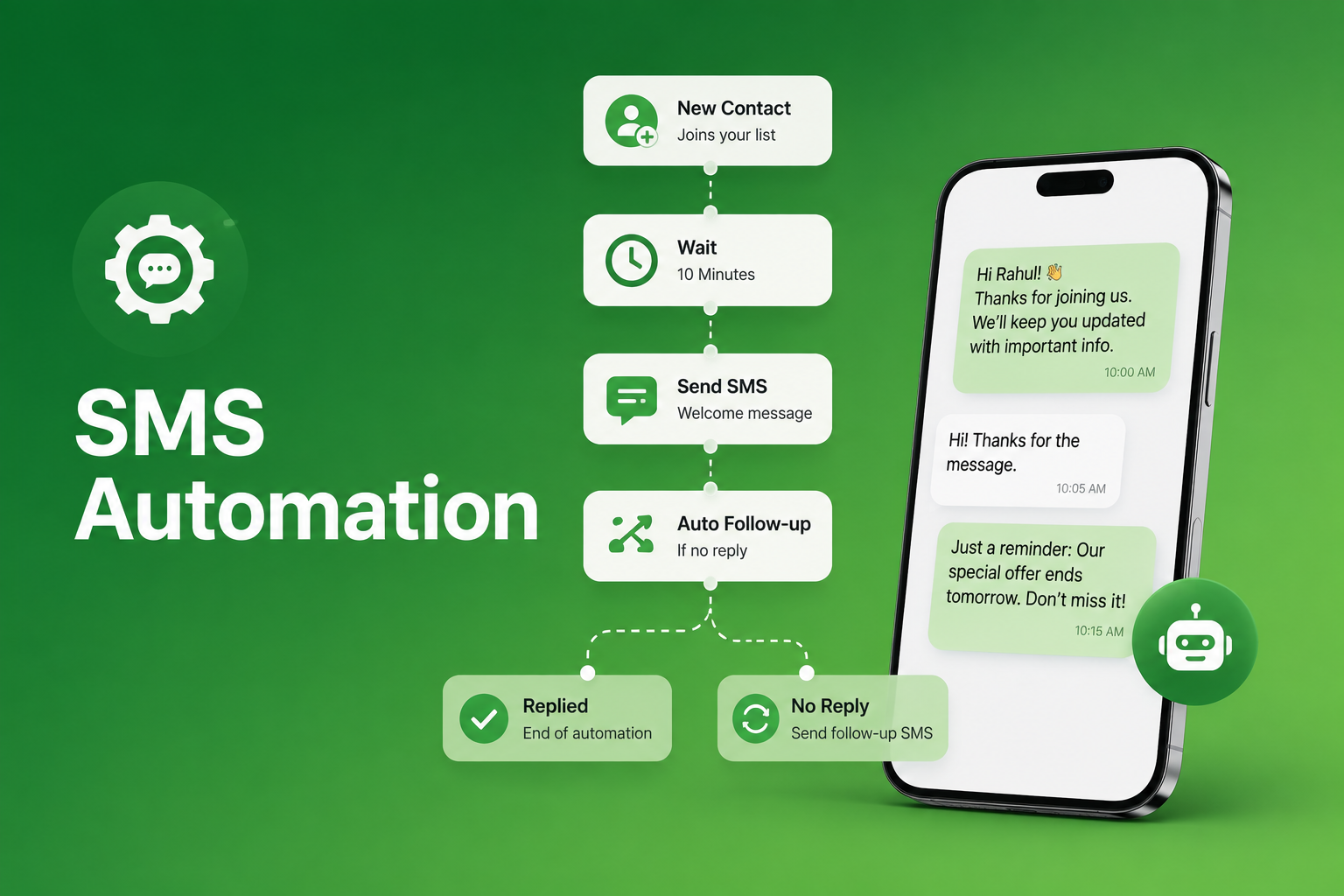
Scheduled text messaging and trigger-based workflows allow businesses to run entire nurture sequences, appointment reminders, and post-purchase follow-ups without manual effort. A business with 5,000 contacts can deliver individualized messages through automation that would previously require a dedicated outreach team.
TCPA and 10DLC Compliance in the Future of SMS Marketing
As SMS marketing grows, regulatory requirements are keeping pace. Two frameworks define compliance for US business texting in 2026: the Telephone Consumer Protection Act (TCPA) and the A2P 10DLC registration system.
The TCPA requires businesses to obtain prior express written consent before sending marketing messages. According to the FCC’s TCPA guidance, violations carry statutory damages of $500 to $1,500 per message, making compliant list-building one of the most financially consequential decisions a business can make.
The A2P 10DLC system requires businesses sending commercial SMS through 10-digit long codes to register their brand and campaign use case. Registration improves deliverability, reduces carrier filtering, and signals that your messages meet quality standards. Learn more about what A2P 10DLC means and how registration protects your sending reputation.
Compliant SMS marketing means maintaining opt-in records, honoring opt-out requests immediately, and restricting send times to hours permitted by applicable regulations. Review the SMS opt-in compliance guide to ensure your list-building process meets current standards. Businesses that treat compliance as a foundation, rather than a hurdle, build lists that perform better and carry significantly lower legal exposure. This content provides factual information only and does not constitute legal advice.
How SendHub Prepares Your Business for the Future of SMS Marketing
The sections above identify three gaps that hold businesses back: the inability to personalize at scale, the complexity of staying compliant, and the challenge of coordinating SMS with other channels. SendHub is built to close all three, giving businesses the tools to execute a precise, compliant, and connected SMS marketing strategy without adding headcount.
- Send bulk SMS campaigns to segmented contact lists with high-deliverability routing and built-in opt-out handling
- Run two-way business texting that lets contacts reply and continue the conversation rather than receiving one-directional blasts
- Deliver personalized outreach at scale using merge fields that pull contact-specific details into every message automatically
- Schedule campaigns in advance with scheduled text messaging to hit optimal send windows without manual effort
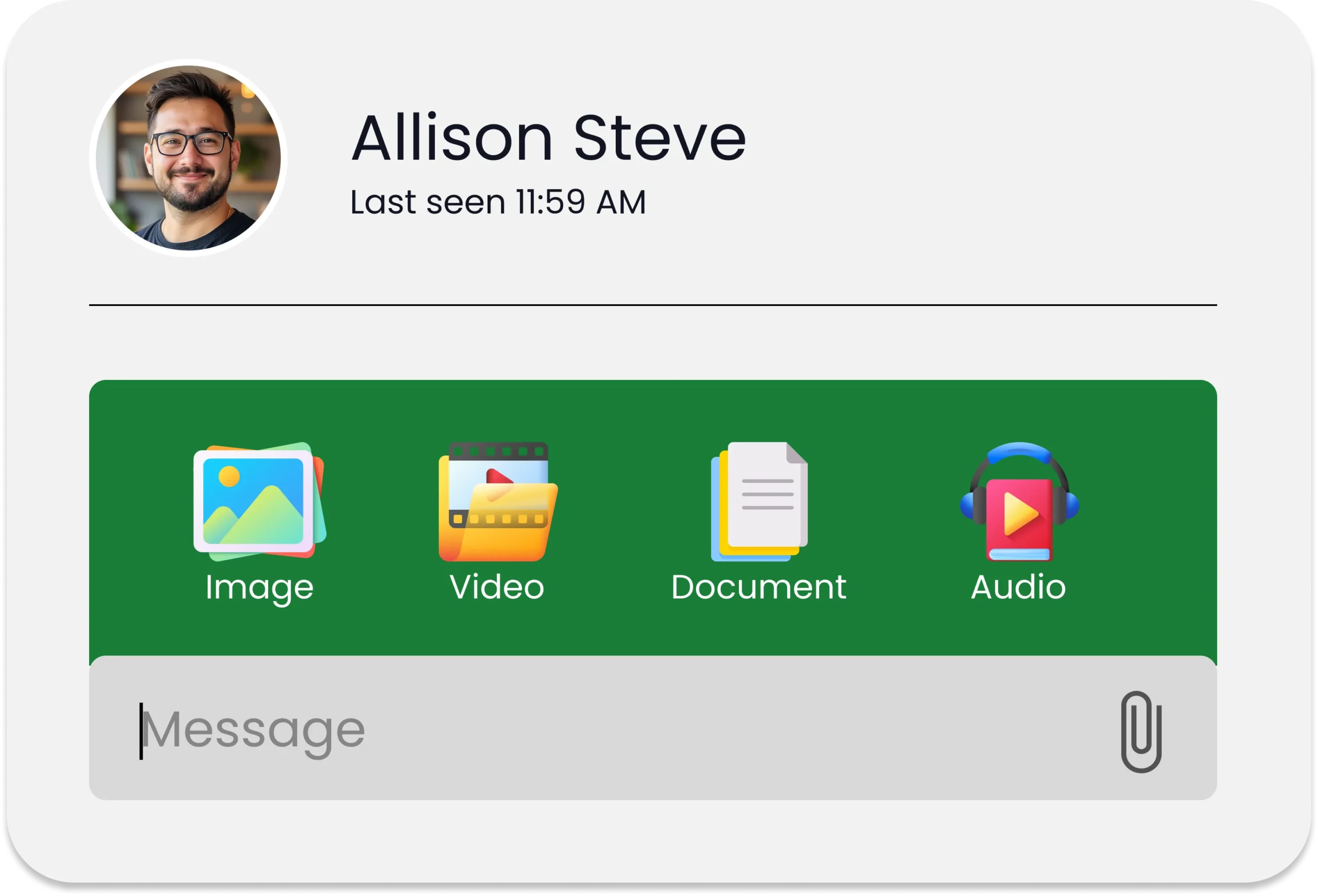
- Attach images, GIFs, and files through MMS and attachments to drive higher click-through on promotional campaigns
- Manage all incoming and outgoing messages from a centralized SendHub inbox accessible from desktop or mobile
- Track delivery rates, opt-outs, and campaign performance through analytics and reporting to optimize results over time
- Connect SendHub with existing tools through the SendHub API to build automated workflows without switching platforms
Frequently Asked Questions
Yes, it remains one of the highest-performing channels available. SMS consistently delivers open rates above 90%, making it more effective than email for time-sensitive campaigns and direct customer engagement.
AI enables predictive send timing, behavioral segmentation, and dynamic personalization at scale. Consequently, businesses are shifting from broadcast messaging to individualized campaigns that adapt based on each contact’s behavior.
SMS sends plain text through the standard messaging protocol, while RCS supports branded messaging with images, action buttons, and read receipts. Moreover, you can explore the full comparison in the RCS vs SMS guide to understand which format suits your campaigns.
10DLC registration links your business and campaign use case to your 10-digit sending number. In turn, registered campaigns experience higher carrier deliverability and lower filtering rates compared to unregistered traffic.
Collect express written consent at the point of opt-in through web forms, checkout flows, or keyword campaigns. Additionally, always include a clear disclosure that subscribers will receive marketing texts and honor opt-out requests immediately.
Research consistently points to mid-morning and early afternoon on weekdays as high-engagement windows. However, AI-powered platforms can optimize send timing for each contact based on their historical response patterns.